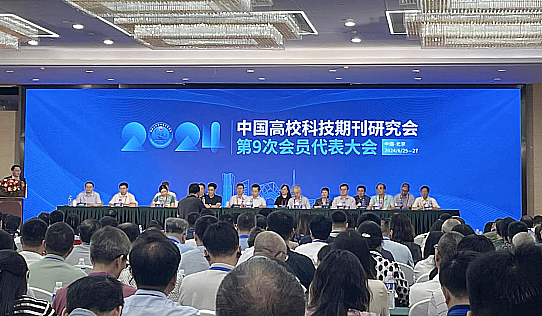
中国高校科技期刊研究会第9次会员代表大会在北京召开,中宣部出版局副局长张怀海、教育部科学技术与信息化司一级巡视员张国辉等领导出席会议并发表..
英文简介:Our culture is a scientific one, defining what is natural and what is rational. Its values can be seen in what are sought out as facts and made as artefacts, what are designed as processes and products, and what are forged as weapons and filmed as wonders. In our daily experience, power is exercised through expertise, e.g. in science, technology and medicine. Science as Culture explores how all these shape the values which contend for influence over the wider society.Science mediates our cultural experience. It increasingly defines what it is to be a person, through genetics, medicine and information technology. Its values get embodied and naturalized in concepts, techniques, research priorities, gadgets and advertising. Many films, artworks and novels express popular concerns about these developments.In a society where icons of progress are drawn from science, technology and medicine, they are either celebrated or demonised. Often their progress is feared as ’unnatural’, while their critics are labelled ’irrational’. Public concerns are rebuffed by ostensibly value-neutral experts and positivist polemics.Yet the culture of science is open to study like any other culture. Cultural studies analyses the role of expertise throughout society. Many journals address the history, philosophy and social studies of science, its popularisation, and the public understanding of society.Amidst these journals, Science as Culture is ’the only source of critique of the way science is going’, as one of our readers put it. Not simply criticism, critique analyses the underlying frameworks, assumptions and terms of reference. It emphasizes the fundamental role of values, interests, ideology and purposes -- which would otherwise remain hidden in the guise of neutrality and objectivity. Science as Culture places science within the wider debate on the values which constitute culture; it is not the journal for a particular academic discipline.Science as Culture encompasses people’s experiences -- at the workplace, the cinema, the computer, the hospital, the home and the academy. The articles are readable, attractive, lively, often humorous, and always jargon-free. Science as Culture aims to be read at leisure, and to be a pleasure.中文简介:(来自Google、百度翻译)我们的文化是科学的,定义什么是自然的,什么是理性的。它的价值可以从以下几个方面看出来:作为事实而被寻找,作为人工制品而被制造;作为过程和产品而被设计;作为武器而被锻造,作为奇迹而被拍摄下来。在我们的日常经验中,权力是通过专业知识来行使的,例如在科学、技术和医学方面。作为文化的科学探索所有这些是如何形成的价值观,争取更广泛的社会的影响。科学调节我们的文化体验。它通过遗传学、医学和信息技术,越来越多地定义了一个人是什么。它的价值体现在概念、技术、研究重点、小工具和广告中。许多电影、艺术品和小说表达了人们对这些发展的普遍关注。在一个进步的标志来自科学、技术和医学的社会里,它们要么被颂扬,要么被妖魔化。他们的进步常常被认为是“不自然的”,而他们的批评者则被贴上了“非理性的”标签。公众的担忧被表面上中立的专家和实证主义者的辩论所拒绝。然而,科学文化是开放的,可以像任何其他文化一样学习。文化研究分析专业知识在整个社会中的作用。许多期刊介绍科学的历史、哲学和社会研究、科学的普及以及公众对社会的理解。正如我们的一位读者所说,在这些期刊中,作为文化的科学是“批判科学发展道路的唯一来源”。不是简单的批评,而是分析基本框架、假设和职权范围。它强调价值、利益、意识形态和目标的根本作用,否则这些价值、利益、意识形态和目标就会以中立和客观的名义被隐藏起来。科学作为文化将科学置于构成文化的价值观的更广泛辩论之中;它不是为某一特定学科而出版的杂志。作为文化的科学包括人们的经历——在工作场所、电影院、电脑、医院、家庭和学院。文章可读性强,吸引人,生动活泼,经常幽默,而且总是没有术语。科学作为一种文化,其目的在于休闲阅读,并成为一种乐趣。

来稿要求:
论点新颖、论证严密、论据充足、文字精练。论文字数:5000字符-8000字符为宜,图表也要计算在内,不包括英文摘要关键词。
标 题:
文章标题要言简意赅,30字以内。作者署名:署真实姓名,注明作者单位、单位所在省市和邮政编码。摘 要:要用第三人称概括全文,300字以内。
关 键 词:
用3~8个关键词术语反映论文主题。专用符号:名词、术语、数字、计量单位、标点符号和数学符号等,必须符合国家标准;外文人名、地名和术语需译成中文。
图表格式:
文中插图与表格放在相应正文之后,分别按出现顺序用图1、图2或表1、表2统一编号。插图应为黑白色,其序号、标题及注释居中放在图的下方,表格的序号及标题置于表格上方,表注放在表格的下方(建议:由于篇幅限制,除核心期刊外尽量不用或少用图表)。
正文注释:
采用尾注形式,注释号①,②,③等标在相应正文右上角。
章节体例:
章节标题为:一级标题不编号,用黑体居中排,二级标题不编号,用楷体放在相应的文字段首与正文空一字格接排正文。 三级标题分别用1.2.3.顺序编号。文中接排标题用(1),(2)编号。
参考文献:
参考文献置于正文之后,近5年的不少于3条,用[1],[2]……顺序编号,如文章中有内容需要解释请用尾注形式。参考文献不全者不能进入审稿阶段。{参考文献格式如下:(1)图书:作者.书名(版本)[M].出版所在地: 出版社,出版年:(1)页码.
(2)期刊:作者.题目[J].期刊名,年,卷(期):页码.
(3)电子参考文献:作者.题目[OL].(文章的发表日期).[本文引用日期].作者简介:来稿者请附个人简介,内容包括姓名(出生年—),性别,籍贯,民族,学历,工作单位,职称,研究方向,通讯地址,联系电话及电子信箱。
一般情况下,您将在3个工作日内收到审稿结果。如文章有很强的时效性,请说明需要最晚刊发时间。
| 论文编号 | 作者姓名 | 论文题目 | 录用情况 |
|---|---|---|---|
| TG251-13579 | 韩丽炘 孟涛 温娟娟 刘晓琴 | 基于互联网的CBL+TBL教学法在病理学实验教学中的应用 | 已录用 |
| TG251-13681 | 邹隆强 杨清余 钟鸿路 李正南 陈 | 医学运动康复联合消肿止痛方治疗急性踝关节扭伤临床研究 | 已录用 |
| TG251-13794 | 林雨慧 陈霄雯 郑颖彦 朱永凯 贾 | 基于SWOT模型的儿童专科医院临床研究发展策略分析 | 已录用 |
| TG251-13762 | 郑鸿雁 | 重复经颅磁刺激治疗肝脾不调型功能性肛门直肠痛的临床研究 | 已录用 |
| TG251-13891 | 袁召1 赵会谢2 赵海深3 | 真武汤治疗阳虚水泛型慢性心力衰竭患者的临床研究 | 已录用 |
| TG251-13536 | 王杰1 张蕾蕾2 | 血脂和载脂蛋白水平与分化型甲状腺癌及其病理学特征的相关性探究 | 已录用 |
| GD24-5203 | 单一青 高鹏慧 姚瑶 | 思维导图护理对宫颈癌患者行腹腔镜术后康复的影响 | 已录用 |
| GD24-5217 | 林秀娟 梁静文 刘美仙 陈惠贤 | 加速康复外科管理模式在胸腔镜肺段切除术患者围手术期护理中的应用效果 | 已录用 |
| GD24-5213 | 杨素雯 何洁芳 陈妙霞 廖景升 | 健康行为改变整合理论对于宫颈癌晚期放疗患者依从性及自我效能的影响 | 已录用 |
| GD24-5199 | 杨月惠 王凤婷 | 个体护理计划在心脏瓣膜置换手术围手术期患者中的应用 | 已录用 |
邮箱:cnkibianjitg@163.com
QQ:投稿后等待编辑部联系
扫码联系: