中国高校科技期刊研究会第9次会员代表大会在北京召开,中宣部出版局副局长张怀海、教育部科学技术与信息化司一级巡视员张国辉等领导出席会议并发表..
英文简介:HLA publishes full-length original articles, brief communications, commentaries and occasional reviews on research in: immunogenetics of cell surface antigens; ontogeny and phylogeny of the immune system; immunogenetics of cell interactions; functional aspects of cell surface molecules and their natural ligands, such as cytokines, adhesion molecules and activation antigens; role of tissue antigens in immune reactions in vitro and in vivo, including experimental and clinical transplantation; and relationships between normal tissue antigens and tumor-associated antigens.The journal emphasizes genetic control of immune response, disease susceptibility and genetics, biochemistry and molecular biology of alloantigens and leukocyte differentiation. Manuscripts are invited on molecules expressed on lymphoid cells, myeloid cells, platelets and non-lineage-restricted antigens. The immunogenetics of histocompatibility antigens in humans and experimental animals and their tissue distribution, regulation and expression in normal and malignant cells and antigens as markers for disease are of major interest. Aims and Scope HLA publishes full-length original articles, brief communications, commentaries and reviews covering all aspects of genetic control of immunity. The scope includes functional, biochemical, and genetic studies on molecules of the immune system, including cell surface receptors and their ligands, and encompassing cytokines, and chemokines, adhesion and co-stimulating molecules, antigen receptors such as TcR, NKR, CD1, PAMPs, Igs, KIR, and genes and products of the major histocompatibility complex including classical and non-classical HLA molecules. Papers should describe original research in vitro, or in animal models, or be clinical studies reflecting genetics of immunity in solid organ or haematopoietic stem cell transplantation, autoimmunity, infectious immunity, allergy, tumour immunity, vaccine science, pregnancy and disease susceptibility. The journal emphasis is on understanding genetic control of immunity through: · Immunogenomics including gene organisation, phylogeny, evolution, regulation, polymorphism particularly where it affects expression and function, population genetics, gene markers (eg.microsatellites and SNPs) and typing applications or methodology. · Protein or antigen expression and biochemistryof immunologically important molecules including post-translational regulation, cell surface expression, isoforms, serology, tissue expression, cell lineage relationships particularly defined by leucocyte differentiation antigens, cell activation and differentiation markers, myeloid and lymphoid cell surface antigens, platelet antigens, thymic markers and non-lineage cell surface molecules. · Structure and function of molecules that control immune responsesincluding cell surface molecules and their ligands, adhesion molecules, cytokines, chemokines, antigen receptors such as TcR, immunoglobulins, NKR, Toll-like receptors, HLA, KIR, CD1, MICA/B, PAMPs, Complement and other immune effector molecules. Modulation of immune responses by pathogens such as decoy receptors, cytokine analogs and inhibitors of apoptosis or other cellular functions. · Immunogenetic tools including new genes, sequences, mAbs, polymorphism databases particularly HLA alleles, population data, HLA-peptide repertoires in health and disease, definition of minor histocompatibility antigens, allelic variants, gene maps and bioinformatics. Review articles, Commentaries, Brief communications and People in Immunogenetics. Review articles (maximum 12 printed pages) on recent developments in areas covered by the journal are invited. Suggestions are welcomed in the form of a one-page synopsis submitted to the Reviews Editor. Commentaries briefly explore important current topics.Brief communications are encouraged for reporting gene sequences, MHC peptide motifs and studies of monoclonal antibodies and disease susceptibility. People in Immunogenetics (maximum 2 printed pages) highlight the scientific contributions of one or more people in relation to a specific recent event involving the person(s). Reports of meeting or workshops. Contact the Editor-in-Chief before the meeting to determine acceptability. Submission of sequence data to GenBank or the European Nucleotide Archive (ENA). Original nucleotide or amino acid sequence data described in manuscripts must also be submitted to GenBank or ENA before submission. Manuscripts containing DNA or protein sequences without an accession number are not accepted. Sequences of new alleles should meet the requirements of international nomenclature committees e.g. New HLA alleles require sequencing of complete genes for their proper definition and should have been named by the WHO Nomenclature Committee for Factors of the HLA System.中文简介:(来自Google、百度翻译)HLA发表关于细胞表面抗原的免疫遗传学研究的完整原创文章、简要通讯、评论和偶尔的评论;免疫系统的个体发育和系统发育;细胞相互作用的免疫遗传学;细胞表面分子及其天然配体的功能方面,如细胞因子、粘附分子和活化抗原;组织抗原在体内外免疫反应中的作用,包括实验和临床移植;以及正常组织抗原和肿瘤相关抗原之间的关系。该杂志强调免疫反应的遗传控制、疾病易感性和遗传学、同种抗原的生物化学和分子生物学以及白细胞分化。手稿被邀请表达在淋巴细胞、髓细胞、血小板和非系限制性抗原上的分子。人类和实验动物组织相容性抗原的免疫遗传学及其在正常细胞和恶性细胞中的组织分布、调控和表达,以及作为疾病标志物的抗原的研究具有重要意义。 目标和范围 HLA发表完整的原创文章,简短的交流,评论和评论涵盖了免疫遗传控制的所有方面。范围包括功能、生化和免疫系统的分子遗传研究,包括细胞表面受体及其配体,包括细胞因子、趋化因子、粘附和主要分子,细胞等抗原受体,NKR, CD1、pamp, Igs、吉珥,基因和产品的主要组织相容性复合体包括经典和非经典的HLA分子。论文应描述体外或动物模型的原始研究,或反映实体器官或造血干细胞移植、自身免疫、感染免疫、过敏、肿瘤免疫、疫苗科学、妊娠和疾病易感性免疫遗传学的临床研究。该杂志的重点是通过以下途径了解免疫的遗传控制: ·免疫基因组学,包括基因组织、系统发育、进化、调控、多态性,特别是影响表达和功能的多态性、群体遗传学、基因标记(例如。微卫星和单核苷酸多态性)和打字应用或方法。 ·免疫重要分子的蛋白或抗原表达和生物化学,包括翻译后调控、细胞表面表达、亚型、血清学、组织表达、白细胞分化抗原、细胞活化和分化标志物、髓细胞和淋巴细胞表面抗原、血小板抗原、胸腺标志物和非谱系细胞表面分子所定义的细胞谱系关系。 ·控制免疫应答的分子结构与功能,包括细胞表面分子及其配体、粘附分子、细胞因子、趋化因子、抗原受体如TcR、免疫球蛋白、NKR、toll样受体、HLA、KIR、CD1、MICA/B、PAMPs、补体等免疫效应分子。诱骗受体、细胞因子类似物和凋亡抑制剂或其他细胞功能等病原体对免疫反应的调节。 ·免疫遗传学工具,包括新基因、序列、单克隆抗体、多态性数据库,特别是HLA等位基因、人群数据、健康和疾病中的HLA肽库、小组织相容性抗原的定义、等位基因变异、基因图谱和生物信息学。 回顾文章,评论,简短的交流和人们在免疫遗传学。请就该杂志所涵盖领域的最新发展发表评论文章(最多12页)。欢迎以一页摘要的形式向评论编辑提交建议。评论简要探讨当前的重要话题。鼓励简短的交流报告基因序列,MHC肽基序和单克隆抗体和疾病易感性的研究。《免疫遗传学》杂志的人(最多2页)强调了一个或多个人对涉及该个人的特定近期事件的科学贡献。 会议或工作坊报告。会议前与总编联系,确定是否接受。 向GenBank或欧洲核苷酸档案(ENA)提交序列数据。原稿中描述的核苷酸或氨基酸序列数据也必须在提交前提交给GenBank或ENA。不接受含有DNA或蛋白质序列而没有加入号的手稿。新等位基因序列应符合国际命名委员会的要求,如新的HLA等位基因需要对完整的基因进行测序,以便对其进行正确的定义,并应已由世卫组织HLA系统因子命名委员会命名。

来稿要求:
论点新颖、论证严密、论据充足、文字精练。论文字数:5000字符-8000字符为宜,图表也要计算在内,不包括英文摘要关键词。
标 题:
文章标题要言简意赅,30字以内。作者署名:署真实姓名,注明作者单位、单位所在省市和邮政编码。摘 要:要用第三人称概括全文,300字以内。
关 键 词:
用3~8个关键词术语反映论文主题。专用符号:名词、术语、数字、计量单位、标点符号和数学符号等,必须符合国家标准;外文人名、地名和术语需译成中文。
图表格式:
文中插图与表格放在相应正文之后,分别按出现顺序用图1、图2或表1、表2统一编号。插图应为黑白色,其序号、标题及注释居中放在图的下方,表格的序号及标题置于表格上方,表注放在表格的下方(建议:由于篇幅限制,除核心期刊外尽量不用或少用图表)。
正文注释:
采用尾注形式,注释号①,②,③等标在相应正文右上角。
章节体例:
章节标题为:一级标题不编号,用黑体居中排,二级标题不编号,用楷体放在相应的文字段首与正文空一字格接排正文。 三级标题分别用1.2.3.顺序编号。文中接排标题用(1),(2)编号。
参考文献:
参考文献置于正文之后,近5年的不少于3条,用[1],[2]……顺序编号,如文章中有内容需要解释请用尾注形式。参考文献不全者不能进入审稿阶段。{参考文献格式如下:(1)图书:作者.书名(版本)[M].出版所在地: 出版社,出版年:(1)页码.
(2)期刊:作者.题目[J].期刊名,年,卷(期):页码.
(3)电子参考文献:作者.题目[OL].(文章的发表日期).[本文引用日期].作者简介:来稿者请附个人简介,内容包括姓名(出生年—),性别,籍贯,民族,学历,工作单位,职称,研究方向,通讯地址,联系电话及电子信箱。
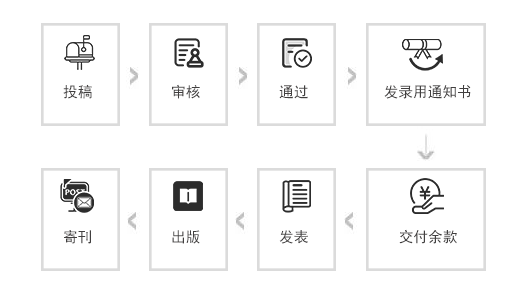
一般情况下,您将在3个工作日内收到审稿结果。如文章有很强的时效性,请说明需要最晚刊发时间。
| 论文编号 | 作者姓名 | 论文题目 | 录用情况 |
|---|---|---|---|
| TG251-13579 | 韩丽炘 孟涛 温娟娟 刘晓琴 | 基于互联网的CBL+TBL教学法在病理学实验教学中的应用 | 已录用 |
| TG251-13681 | 邹隆强 杨清余 钟鸿路 李正南 陈 | 医学运动康复联合消肿止痛方治疗急性踝关节扭伤临床研究 | 已录用 |
| TG251-13794 | 林雨慧 陈霄雯 郑颖彦 朱永凯 贾 | 基于SWOT模型的儿童专科医院临床研究发展策略分析 | 已录用 |
| TG251-13762 | 郑鸿雁 | 重复经颅磁刺激治疗肝脾不调型功能性肛门直肠痛的临床研究 | 已录用 |
| TG251-13891 | 袁召1 赵会谢2 赵海深3 | 真武汤治疗阳虚水泛型慢性心力衰竭患者的临床研究 | 已录用 |
| TG251-13536 | 王杰1 张蕾蕾2 | 血脂和载脂蛋白水平与分化型甲状腺癌及其病理学特征的相关性探究 | 已录用 |
| GD24-5203 | 单一青 高鹏慧 姚瑶 | 思维导图护理对宫颈癌患者行腹腔镜术后康复的影响 | 已录用 |
| GD24-5217 | 林秀娟 梁静文 刘美仙 陈惠贤 | 加速康复外科管理模式在胸腔镜肺段切除术患者围手术期护理中的应用效果 | 已录用 |
| GD24-5213 | 杨素雯 何洁芳 陈妙霞 廖景升 | 健康行为改变整合理论对于宫颈癌晚期放疗患者依从性及自我效能的影响 | 已录用 |
| GD24-5199 | 杨月惠 王凤婷 | 个体护理计划在心脏瓣膜置换手术围手术期患者中的应用 | 已录用 |
邮箱:cnkibianjitg@163.com
QQ:投稿后等待编辑部联系
扫码联系: